

How Nature-Based Therapies Are Being Used to Support Women's Mental Health Recovery
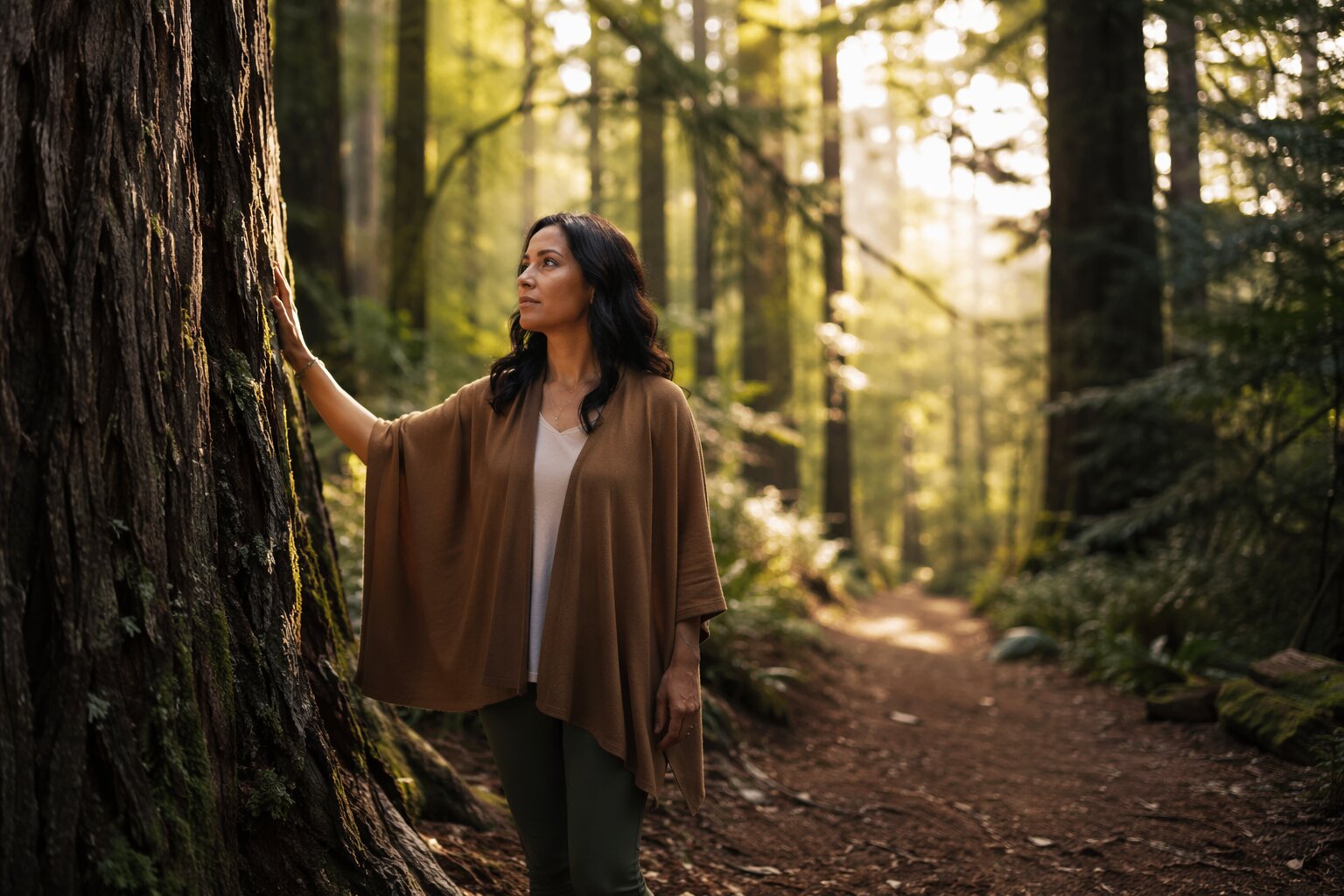
When you step into a park, sit near water, or walk a forest path with a trained guide, you’re not just “getting fresh air”; you’re engaging in a structured approach to healing. Nature-based therapies use simple practices like mindful walking, guided reflection, and sensory awareness to ease anxiety, depression, and trauma. You might be surprised how intentional these sessions are, and how different they feel from a typical office-based appointment…
What Nature-Based Therapy Is (And Who It Helps)
Nature-based therapy is a structured therapeutic approach that incorporates natural environments, such as parks, forests, gardens, or bodies of water, into the treatment process.
Rather than spending unstructured time outdoors, participants engage in guided activities designed and led by a trained professional.
These sessions typically include specific therapeutic goals, clear safety guidelines, and planned follow-up to monitor progress.
This approach may be helpful for people experiencing anxiety, depression, stress, trauma-related symptoms, burnout, or significant life changes.
It can also be useful during periods such as pregnancy and postpartum, or for individuals in caregiving roles, academic settings, or high-pressure occupations.
Nature-based therapy may be appropriate both for those new to therapy and for individuals returning to treatment after previous difficult or unsatisfying experiences, provided that it's delivered by qualified practitioners and matched to the person’s needs and preferences.
How Nature Supports Women’s Mental Health Recovery
When working toward mental health recovery, spending time in natural environments can support observable psychological and physiological changes. Research suggests that exposure to green spaces is associated with reduced stress levels, lower symptoms of anxiety and depression, and improvements in mood and cognitive functioning. According to specialists at Kinder in the Keys, a 100% women-only trauma treatment center, these benefits are valuable components of holistic care. They also believe that recovery can involve addressing emotional wellness alongside other areas of healing.
Natural settings typically involve fewer artificial stimuli and can help reduce sensory overload. This environment may make it easier to shift attention away from repetitive or distressing thoughts and toward external cues. As individuals notice colors, sounds, textures, and movement in nature, they may experience improved sensory awareness and a stronger sense of connection to their bodies.
Structured nature-based interventions, including guided walks, outdoor mindfulness practices, or ecotherapy sessions, build on these effects. These approaches often combine time outdoors with intentional activities, including setting goals, reflecting on emotions and experiences, or practicing grounding and breathing exercises.
Evidence from clinical and community programs indicates that these interventions can support increased self-awareness, improved emotion regulation, and enhanced motivation for ongoing recovery. When combined with professional support, time in nature can become a meaningful tool for building resilience and maintaining long-term mental health progress.
Benefits for Anxiety, Depression, and Trauma
As you address anxiety, depression, or the effects of trauma, nature-based approaches can serve as a practical complement to other treatments such as psychotherapy and medication. Spending time in natural settings tends to slow the pace of attention, making it easier to notice your surroundings and briefly step out of cycles of worry or fear.
Gentle sensory input, such as natural light, fresh air, and ambient sounds, can support regulation of the autonomic nervous system, which is often involved in stress responses and muscle tension.
Regular time outdoors is also associated with improvements in mood, including increased energy and motivation for some individuals.
Being in nature can create a clearer sense of physical presence and connection to the body, which may be useful when emotional distress feels overwhelming or disorienting.
Over time, these experiences may contribute to rebuilding self-trust, fostering cautious optimism, and providing a more stable context in which to reflect on and process difficult emotions.
Common Types of Nature-Based Therapy for Women
Depending on individual needs and goals, nature-based therapy can take several structured forms that involve more than simply spending time outdoors.
Ecotherapy commonly includes guided walks, mindful breathing, and sensory-awareness exercises in parks or forests. These activities are often used to reduce stress and increase present-moment awareness.
Wilderness therapy usually involves multi-day group trips that may include hiking, camping, and facilitated group reflection. Programs often aim to build resilience, problem-solving skills, and interpersonal awareness, though they can also be physically and emotionally demanding and aren't suitable for everyone.
Horticultural therapy uses gardening tasks such as planting, pruning, and harvesting to support mood regulation, routine-building, and a sense of competence. It's frequently integrated into rehabilitation, mental health, and community programs.
Animal-assisted therapy, including equine-assisted therapy, incorporates structured interactions with horses or other animals to work on issues such as trust, emotional regulation, and boundary-setting. These interventions are typically guided by trained therapists and follow specific therapeutic goals.
Blue-space approaches focus on proximity to water environments such as coasts, rivers, and lakes. Activities may include walking along shorelines, mindful observation of water, or gentle paddling. Research suggests that such settings can support relaxation and decrease perceived stress for some individuals.
For women, these approaches may be tailored to address specific concerns, such as trauma, anxiety, depression, or life transitions, with attention to safety, cultural context, and personal preferences. Evidence for effectiveness varies by modality and study design, so these therapies are often recommended as complements to, rather than replacements for, conventional mental health care.
How to Choose the Right Nature-Based Program
How can you sort through multiple options and identify a nature-based program that aligns with your needs?
Begin by clarifying your goals. For example, consider whether you're seeking trauma-informed support, general stress reduction, skills for emotional regulation, or opportunities for social connection. Clear goals make it easier to assess whether a program’s stated focus and methods are relevant to you.
Next, review the qualifications of the facilitators. Look for licensed mental health professionals or certified nature-based practitioners who have specific training and experience related to women’s mental health and, where relevant, trauma-informed care. You may want to ask about their education, professional licenses, additional certifications, and how long they've been running nature-based groups or sessions.
Evaluate the program’s format and setting. Key factors include:
Structure: individual vs. group sessions, ongoing series vs. one-time retreat
Environment: forests, parks, gardens, farms, or coastal areas
Session frequency and duration: weekly, monthly, or intensive multi-day formats
Ask about practical details such as accessibility (mobility needs, transportation, weather contingencies), cost and payment options, location and travel time, emergency and safety procedures, and policies that explicitly support inclusion of women and gender-diverse participants.
If possible, schedule an initial consultation or introductory session. Use this time to observe whether the facilitator communicates clearly, listens to your concerns, and explains boundaries and expectations. While subjective, your sense of comfort, respect, and psychological safety is an important indicator of whether the program is likely to be appropriate for you.
What to Expect in a Nature-Based Therapy Session
Although each program has its own structure, many nature-based therapy sessions follow a steady, predictable sequence designed to support orientation and a sense of safety.
Sessions often begin with arrival, a brief check-in with the facilitator, and a review of any physical, emotional, or logistical considerations relevant for that day.
This is commonly followed by a grounding component, which may include slow breathing, attention to bodily sensations, or a short mindfulness exercise conducted outdoors to help participants shift focus from daily demands to the present environment.
The central part of the session usually involves a specific therapeutic activity, such as a guided walk, a simple creative or sensory-based task, or structured interaction with natural elements like plants, soil, or animals.
During this time, participants are encouraged to observe their thoughts, emotions, and physical responses in relation to the natural surroundings.
Sessions typically conclude with a period of reflection and integration.
This may involve group or one-on-one discussion, noting key observations or insights, and identifying practical steps for aftercare, such as rest, hydration, journaling, or follow-up support if strong emotions have emerged.
Simple Ways to Use Nature in Your Daily Recovery
In daily life, brief and consistent contact with nature can provide modest support for recovery and overall well-being. Research suggests that exposure to natural environments may reduce stress, improve mood, and support attention and emotional regulation.
Simple options include opening a window to allow fresh air in and taking a moment to notice outdoor sounds, such as wind, birds, or distant traffic.
Short “green breaks” of a few minutes, looking at trees, the sky, or plants between tasks, have been associated with reduced mental fatigue and mild improvements in focus.
A short daily walk, even just around the block, can combine light physical activity with sensory engagement.
During the walk, you can deliberately notice colors, textures, and movement (for example, leaves, clouds, or water), which may help shift attention away from distressing thoughts and support grounding.
Indoor nature elements may also be useful.
Keeping a small plant, a vase of flowers, or a nature photograph in a space where you rest can provide visual cues associated with calm and recovery.
Some studies indicate that such indirect contact with nature may have small but positive effects on mood and perceived stress.
If possible, spending a few minutes outside in the evening, looking at the moon, stars, or changing light, can encourage slower, more regular breathing.
Synchronizing your breath with a calm, steady rhythm while paying attention to the outdoor environment may support relaxation and preparation for sleep.
Staying Safe and Finding Qualified Nature-Based Therapists
Because outdoor settings can feel calming or informal, it's important not to overlook safety, boundaries, and professional standards when seeking nature-based mental health support.
Evidence-based care remains essential.
Consider providers who hold a current, relevant mental health license and who've additional training or certification in ecotherapy, wilderness therapy, or horticultural therapy.
Ask specific questions about how they assess and manage physical risk, accessibility needs, weather changes, and emergencies.
Clarify policies on touch, privacy and confidentiality in outdoor spaces, and what procedures are in place if you become distressed or triggered during a session.
If at any point you feel uncomfortable, you're entitled to pause or end a session, request to bring a support person when appropriate, or opt for virtual or indoor sessions instead.
Conclusion
When you bring your healing into nature, you don’t have to do recovery alone or indoors. With the right support, green and blue spaces can calm your body, ease your mind, and help you gently process what you’ve been through. As you explore different programs, trust your pace, your boundaries, and your safety. Even small, regular moments outside can add up, reminding you that recovery is possible, and you’re allowed to feel better.